
There’s something special about an aged, antique clay finish. The weathered, earthy colors and time-worn textures tell a story of bygone days when things were simpler.

And it’s this rustic simplicity that draws the eye in. It evokes a sense of nostalgia and curiosity about what secrets the past might hold.

If you’ve ever wished you could create this look yourself, you’re in for a treat. In today’s tutorial, I’ll show you how to turn any bottle (or object) into a relic from the past, using powdered food coloring. Yup, it’s a thing.

Inspired by the sun-bleached colors and rough textures of old-world artifacts, this easy process will help you create something that blends perfectly into natural or vintage-inspired décor.

But before we get there, follow us on Facebook, Twitter, Pinterest, or Instagram. And don’t forget to subscribe so you’ll never miss a post!
What you need
I applied this aging technique on a glass bottle, but it will work on anything from plastic to cardboard.

You’ll also need:
- Texture paste (homemade recipe here)
- Sandpaper (40 or 60 grit)
- Paintbrush (sponge or chip)
- Fluffy brush (a cheap makeup brush works well)
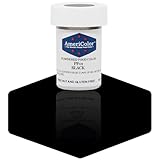
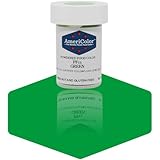
- Powder food coloring
This bit is important. I sourced my food coloring from a local South African supplier, Rolkem, and it’s become my new favorite painting medium. I shared some Amazon links at the bottom of the post, but they didn’t have a big selection. So, it’s probably best if you ask at your local cake shop.
How to give a bottle an antique clay finish
Before we can start giving the bottle an antique finish, we do need to do a little prep work first. Whether you’re using a glass or plastic bottle, the steps are the same.
Prepping the bottle
My gin bottle had a gorgeous stamp stuck on the front.

Besides the shape, that was one of the main reasons I chose this one to antiquify. That’s a word, right?! You can just pop it off with a knife if you’re using the same bottle.

Remove the label and rinse the bottle in warm soapy water. Dry well and wipe the bottle with alcohol to remove any oil or sticky residue. Acetone will also work.

Sand the bottle with 40-grit sandpaper. It roughens the surface up and gives the texture paste, which we’ll be applying next, something to grip onto.

Mix up a batch of homemade texture paste, or you can grab some from the store.

Apply the texture paste all over the bottle with a sponge.

I would suggest applying 2-3 thin coats and leaving them to dry completely before adding the next one. You should end up with something like this.

Adding food coloring
Now for the fun bit: turning the bottle into an antique. If you look at aged pottery or an artifact that’s been lying underground for centuries, the colors are muted and subdued. Time strips away the sheen, leaving beautiful, earthy hues behind.

One way to achieve the look is to use garden soil like we did when we made this woven oil basket. The other way is to use powdered food coloring.

If you can’t find powder food coloring, you can transform your bottle using craft paint too. Here are a few tutorials to get you started:
- Quick and simple terracotta makeover,
- Gorgeous rust effect that so easy to do,
- High-end faux verdigris patina with copper accents,
- Or turn your bottle into metal
To apply the food coloring you can use a fluffy, soft bristle brush or your fingers. Smudging or smooshing the powder into the bottle creates a darker, more intense effect. Wear gloves if you don’t want your hands to look like they’ve been pulled through a color mill backwards.

Alternate between a greyish black and warmer browns to create subtle variations.

Smudge and mix the colors randomly. You want the powdered food coloring to accentuate the bottle’s natural contours while giving it a weathered, patinaed look.

Emphasise some of the details with a little bit of green. It mimics the effect of copper (found naturally in some clays) oxidising over time.

Randomly build up the layers and just have fun.

Adding the finishing touches
This bit is going to depend entirely on the bottle you chose to give an antique makeover. I still had that stamp to age, which is quick to do. Simply paint it a matt black and add a little copper rub and buff to highlight the details.

That’s better. Now it looks the part.

Glue the stamp back onto the bottle…..

…. and wrap a few strands of twine around the neck to add character.

To finish off, I popped an old cork inside my antique bottle.

I’m going to sound a little soppy now, but when I took the piccies for the tutorial, I couldn’t help but wonder what we’d do if we could truly capture a moment.

“If I could save time in a bottle…..” —Jim Croce’s timeless lyrics are the perfect reminder that everything we make tells a story of what was and preserves a bit of who we are.

So, my wish for you is this: never stop creating, and don’t forget to pause and treasure the small, beautiful moments in life.

If you like the idea of using food coloring to create an antique effect, don’t forget to pin the tutorial for later.

Sharing is caring.

Oh, and if you’re looking for some of the things we used, we’ve got you covered. Disclosure: Clicking on the links below means we may receive a commission from Amazon. But don’t worry, it won’t come out of your pocket, and it helps us make more amazing crafts to share with you.

Or if you prefer to buy rather than DIY, then here you go.


And as always, wishing you a wonderful, crafty week filled with lots of love and laughter. Thank you for popping in for a visit.

Last update on 2026-08-16 / Source Amazon Affiliates
2 comments
This is gorgeous! I love that you used the wax stamp and highlighted it so beautifully. I would love to know more about that cute little crab! I have been following your posts for quite a while and don’t recall seeing him, although it’s possible I’ve just forgotten
Hello Abby, isn’t that crab too beautiful? He was a lucky find on Temu, and when I saw him, I couldn’t wait to hit the order button. Just look for “Wooden Crab”, and you should see it.
P.S. Thank you for following our crafty journey. That means the world to me.